
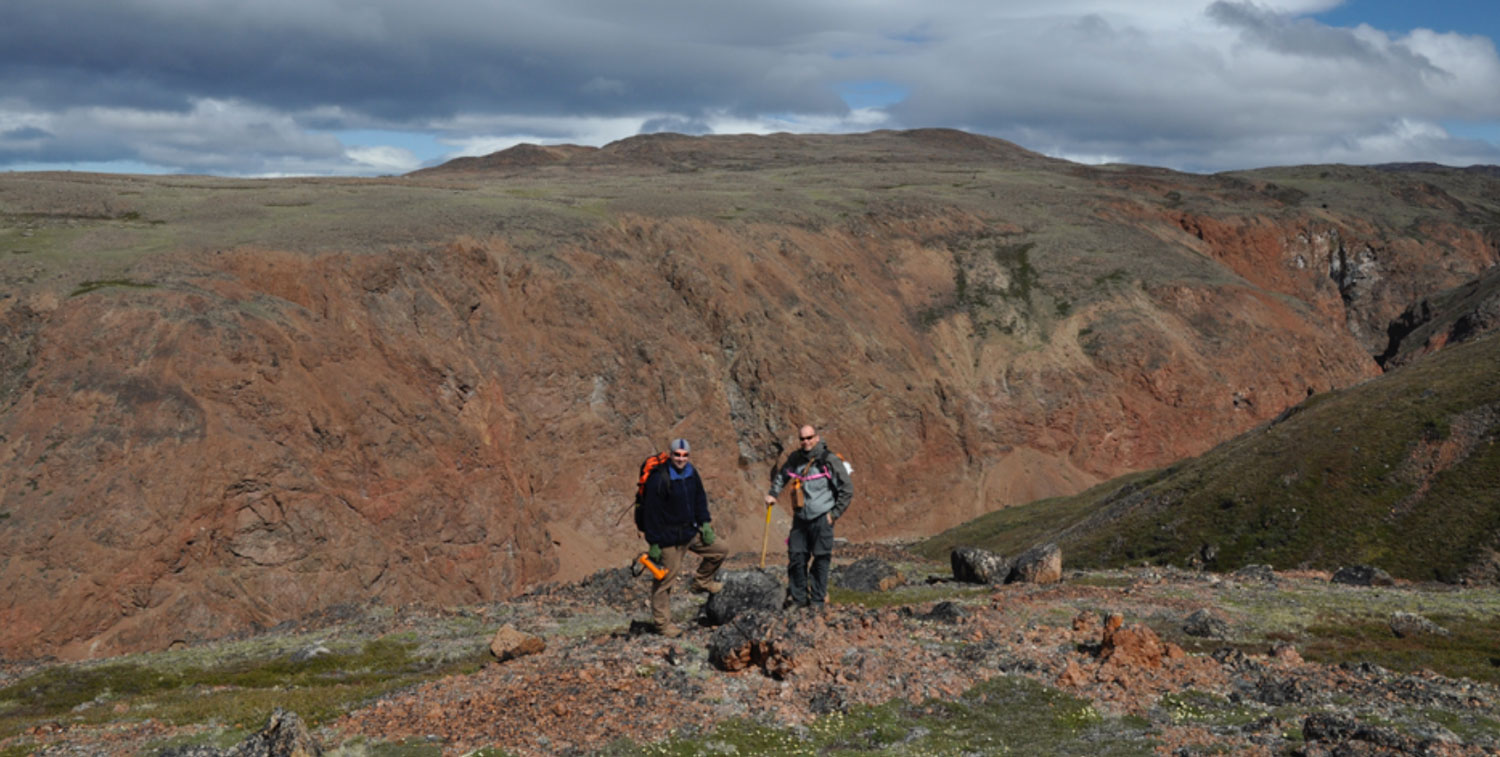
Sarfartoq
A 90 km² carbonatite complex an hour's drive from an international airport, carrying the four rare earths that permanent magnets cannot do without. Acquired 1 September 2026.
The first Indicated resource in fifteen years of work
An S-K 1300 estimate for the ST1 zone by Ronald G. Simpson of GeoSim Services, effective 31 July 2026. Three mining scenarios were modelled; the hybrid case below is the one the Initial Assessment uses.
| Class | Tonnes 000s | TREO % | Nd₂O₃ ppm | Pr₆O₁₁ ppm | Dy₂O₃ ppm | Tb₄O₇ ppm |
|---|---|---|---|---|---|---|
| Indicated | 6,900 | 1.60 | 3,070 | 963 | 32.3 | 13.2 |
| Inferred | 5,341 | 0.96 | 1,850 | 572 | 20.4 | 7.4 |
Open pit and underground scenarios
| Class | Tonnes 000s | TREO % | Nd₂O₃ ppm | Pr₆O₁₁ ppm | Dy₂O₃ ppm | Tb₄O₇ ppm |
|---|---|---|---|---|---|---|
| Indicated | 6,608 | 1.63 | 3,114 | 979 | 32.9 | 13.5 |
| Inferred | 6,015 | 0.88 | 1,648 | 516 | 18.9 | 6.9 |
| Class | Tonnes 000s | TREO % | Nd₂O₃ ppm | Pr₆O₁₁ ppm | Dy₂O₃ ppm | Tb₄O₇ ppm |
|---|---|---|---|---|---|---|
| Indicated | 7,475 | 1.56 | 3,009 | 944 | 31.8 | 13.0 |
| Inferred | 2,603 | 1.36 | 2,443 | 774 | 25.9 | 9.3 |
How the estimate was made
- Prepared by Ronald G. Simpson, P.Geo, of GeoSim Services Inc., an independent Qualified Person, with an effective date of 31 July 2026. Estimated consistent with CIM Definition Standards and reported in accordance with S-K 1300.
- Resources are constrained by an optimised pit shell using the rare earth oxide prices in the report's Table 1-1, with deductions of 64% metallurgical recovery, 60% payability, 5% royalties and 0.5% insurance.
- Cost assumptions: open pit mining US$6 per tonne mined, underground mining US$55 per tonne, processing US$69.72 per tonne, G&A US$16.5 per tonne, using full-basket NSR optimisation.
- Base case NSR cut-offs of US$92.22/t (open pit) and US$141.22/t (underground) are believed to give a reasonable margin over operating costs for each mining and processing component.
- Mineral resources are not mineral reserves and do not have demonstrated economic viability. Indicated and Inferred are reported separately and are not additive. Totals may not sum due to rounding.
What ST1 alone could be worth
An independent S-K 1300 Initial Assessment, released in August 2026, modelled a nine-year mine on the ST1 zone only, processing 1.4 million tonnes a year. It is preliminary, and the high case includes Inferred material.
$2.05 billion
- Pre-tax NPV at an 8% real discount rate
- Pre-tax IRR of 118.6%
$1.49 billion
- Pre-tax NPV at 8%, excluding all Inferred material
- Pre-tax IRR of 92.7%
9 years
- 1.4 Mt a year through the plant
- 12.2 Mt of ore at 1.32% TREO head grade
- About a third of all NdPr oxide refined outside China, at 2025 consumption, in each operating year
- Buyer
- Neo Performance MaterialsA shareholder, with offtake rights on up to 60% of production for its Estonian separation plant
- Basket value
- NdPr about 84% of in-concentrate valueNeodymium and praseodymium carry the economics; dysprosium and terbium add to them
The Initial Assessment is preliminary in nature. It includes Inferred mineral resources that are considered too speculative geologically to have the economic considerations applied to them that would enable them to be categorised as mineral reserves, and there is no certainty that the assessment will be realised.
A carbonatite, which is what you want
Carbonatites host most of the world's producing rare earth mines because their minerals separate cleanly. Sarfartoq is a large one, and its rare earths sit in the minerals the industry already knows how to process.
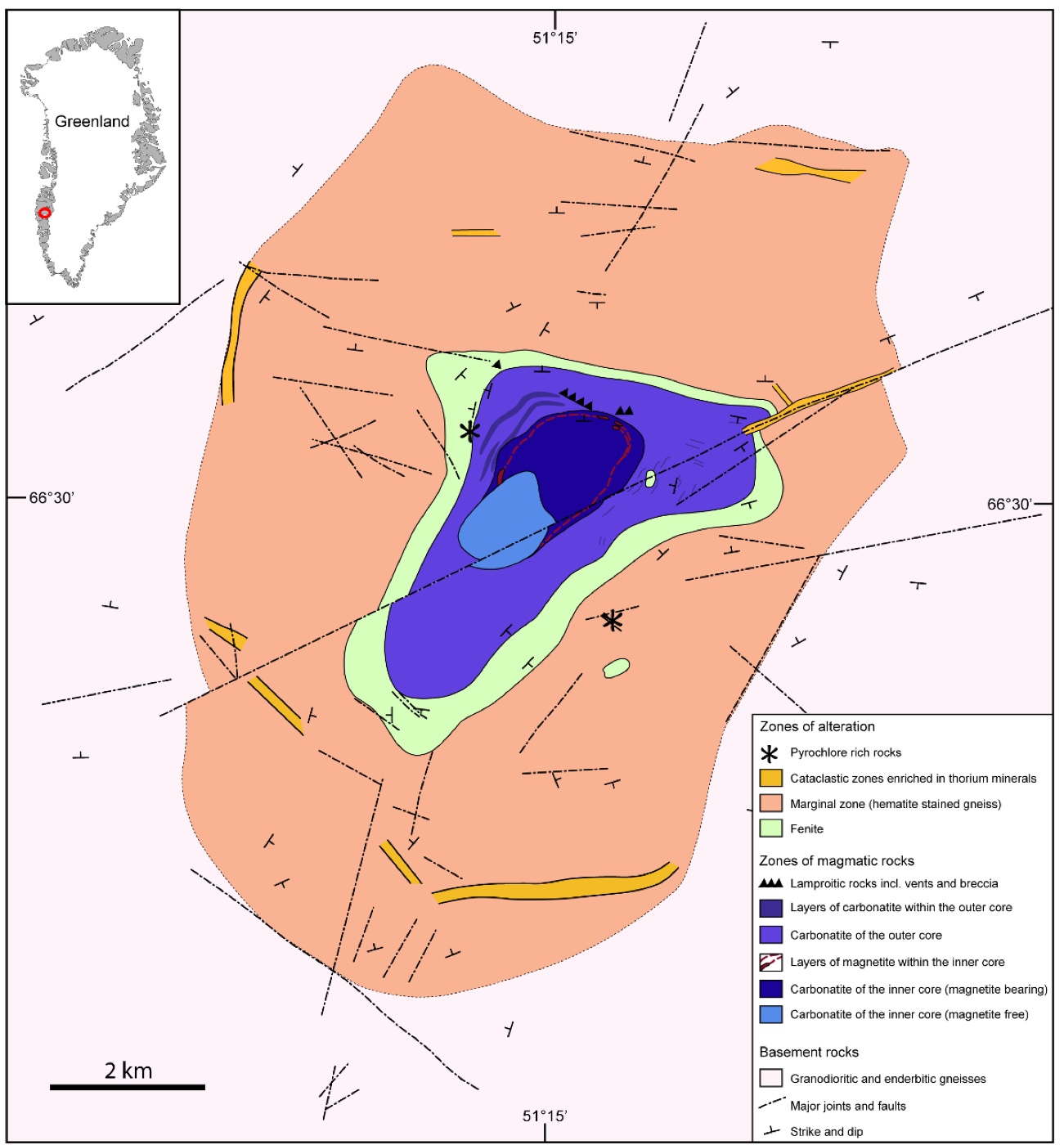
The Sarfartoq complex is a Proterozoic alkaline intrusion of roughly 90 km², emplaced into the North Atlantic Craton of western Greenland. It was first described in detail by Secher and Larsen in 1980.
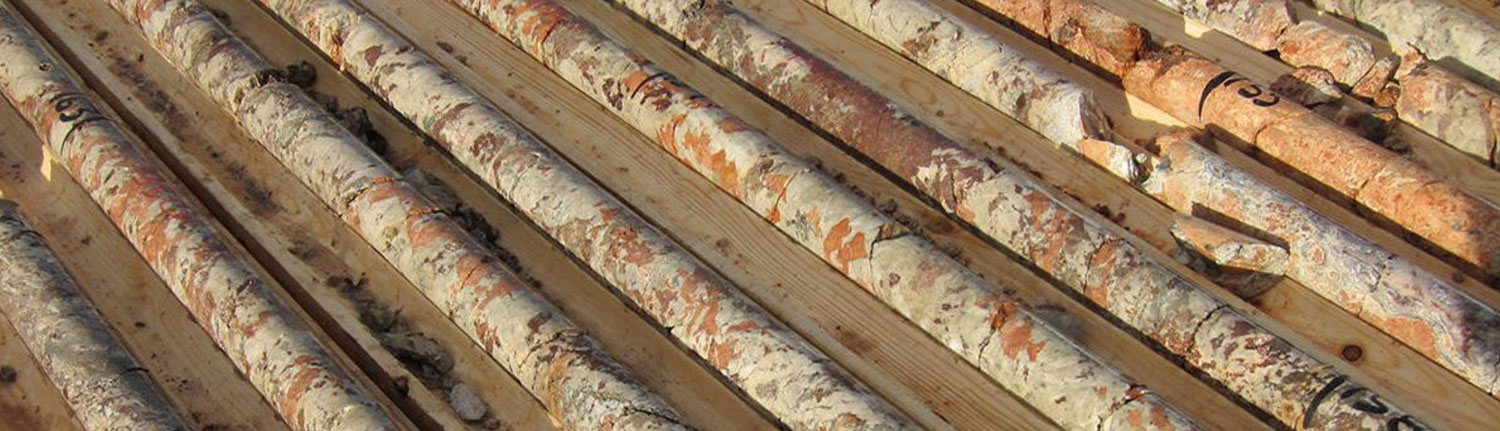
The rare earths are carried in bastnäsite, monazite and pyrochlore. Bastnäsite and monazite are the feed minerals at the world's largest rare earth operations, so the flowsheet starts from known ground. Uranium runs under 10 ppm.
All four magnet rare earths are elevated: neodymium, praseodymium, dysprosium and terbium, the inputs for the NdFeB magnets in electric motors, wind turbines and defence systems. Neodymium plus praseodymium make up 25 to 40% of total rare earth oxides across the deposit. Niobium, tantalum, strontium, phosphate and diamonds occur elsewhere on the licence.
- Host complex
- Proterozoic carbonatite, about 90 km²
- Ore minerals
- Bastnäsite, monazite, pyrochlore
- Magnet rare earths
- Nd, Pr, Dy, TbPlus La and Ce
- Other commodities on the licence
- Nb, Ta, Sr, P, diamonds
One zone drilled, thirty-nine to go
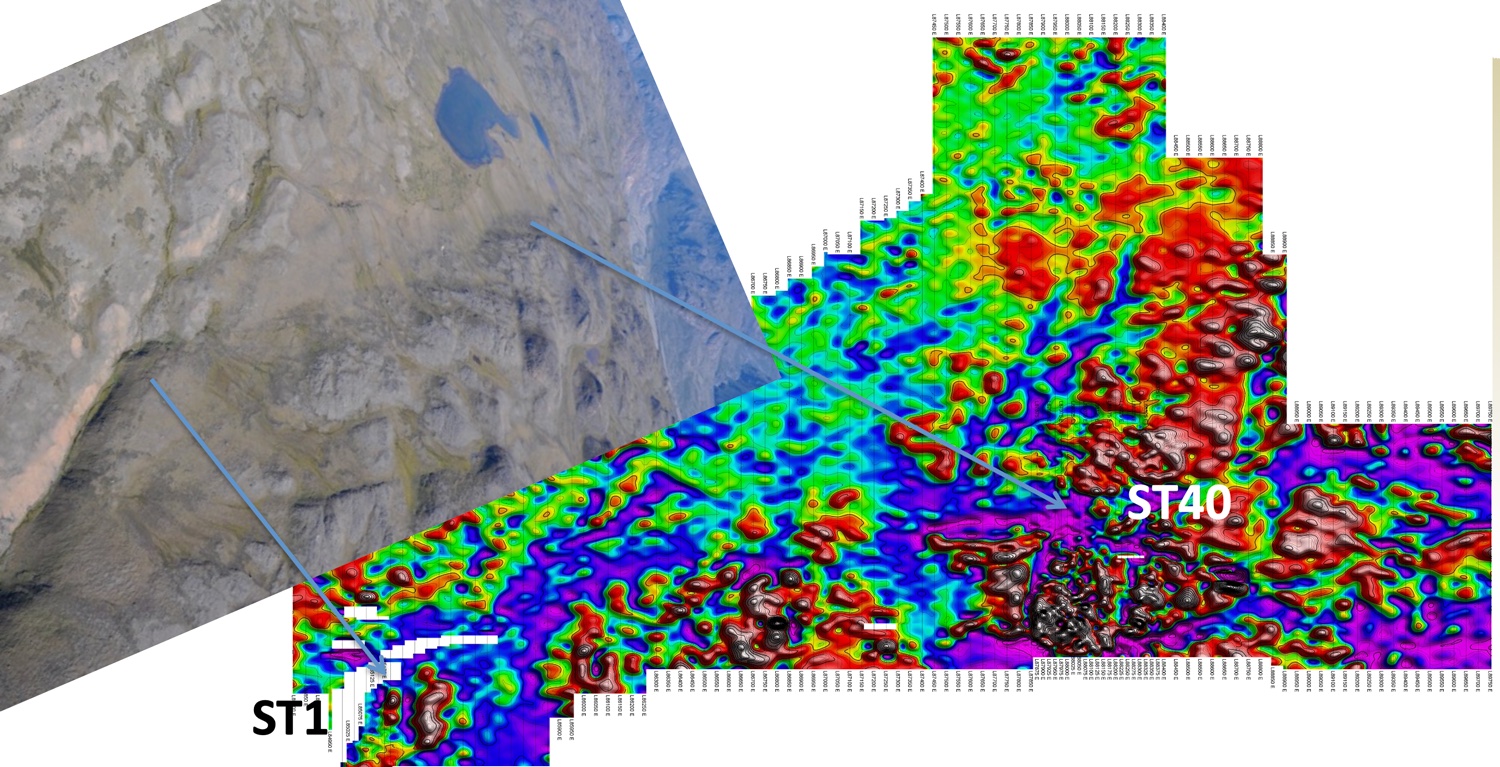
Licence MEL 2020-32 covers 687 km² in 40 sub-sites. Only ST1 has a resource. The Initial Assessment values ST1 alone.
ST1
- Indicated 6.9 Mt at 1.60% TREO, Inferred 5.3 Mt at 0.96% (hybrid)
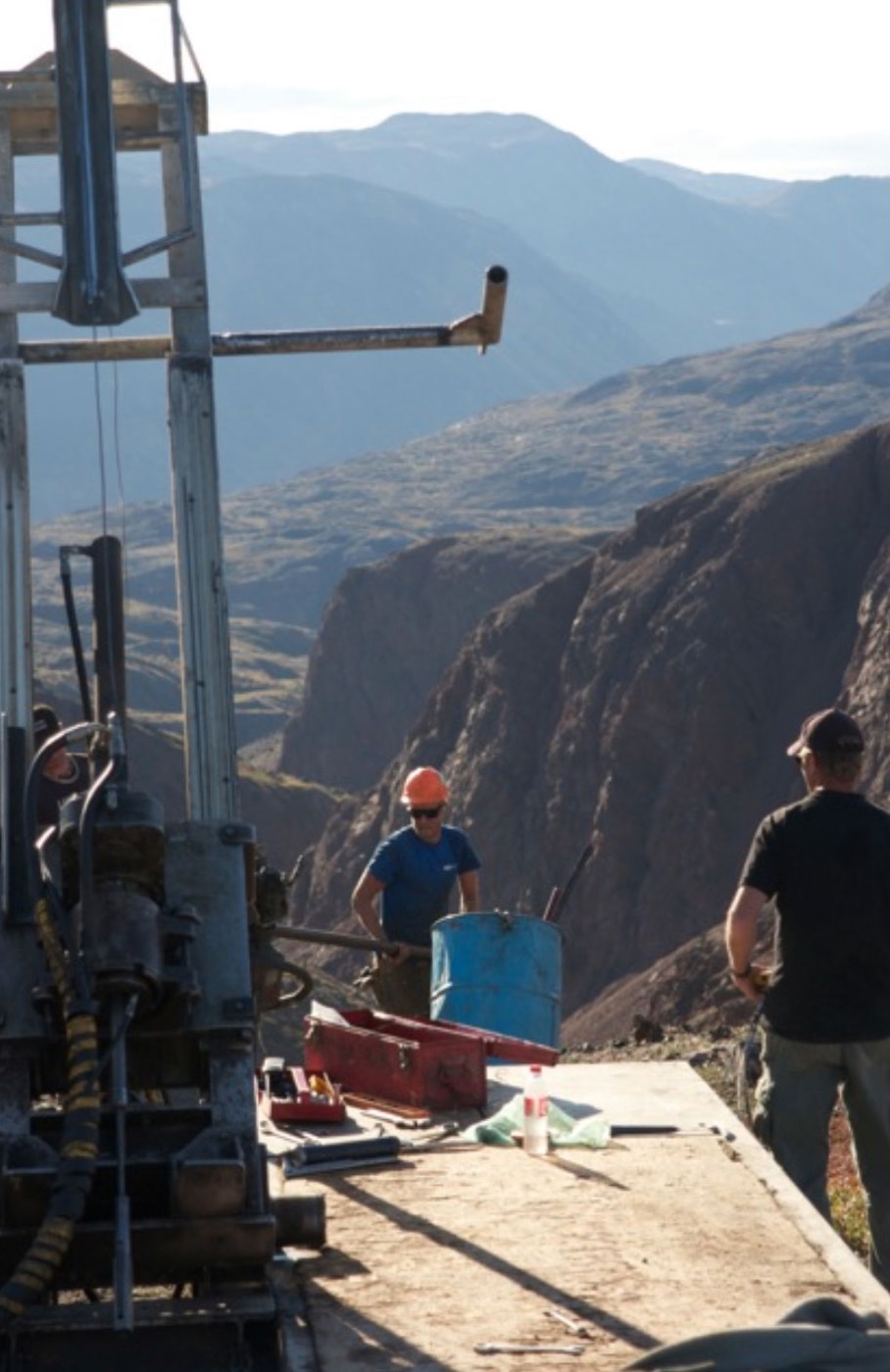
- 161 holes, 35,843 m, including 94 core holes
- Metallurgical testing and environmental baseline already done
- Shortest path to a Pre-Feasibility Study
ST40
- Next to ST1 along the magnetic trend
- Higher neodymium-praseodymium indications
- Drives the upside case for magnet-grade material
- Priority target for definition drilling
38 more
- Across the rest of the 687 km² licence
- Five known rare earth occurrences along a 32 km outer ring structure, largely untested
- Rare earths, niobium, tantalum, strontium, phosphate and diamonds
Infrastructure most Arctic projects only dream of
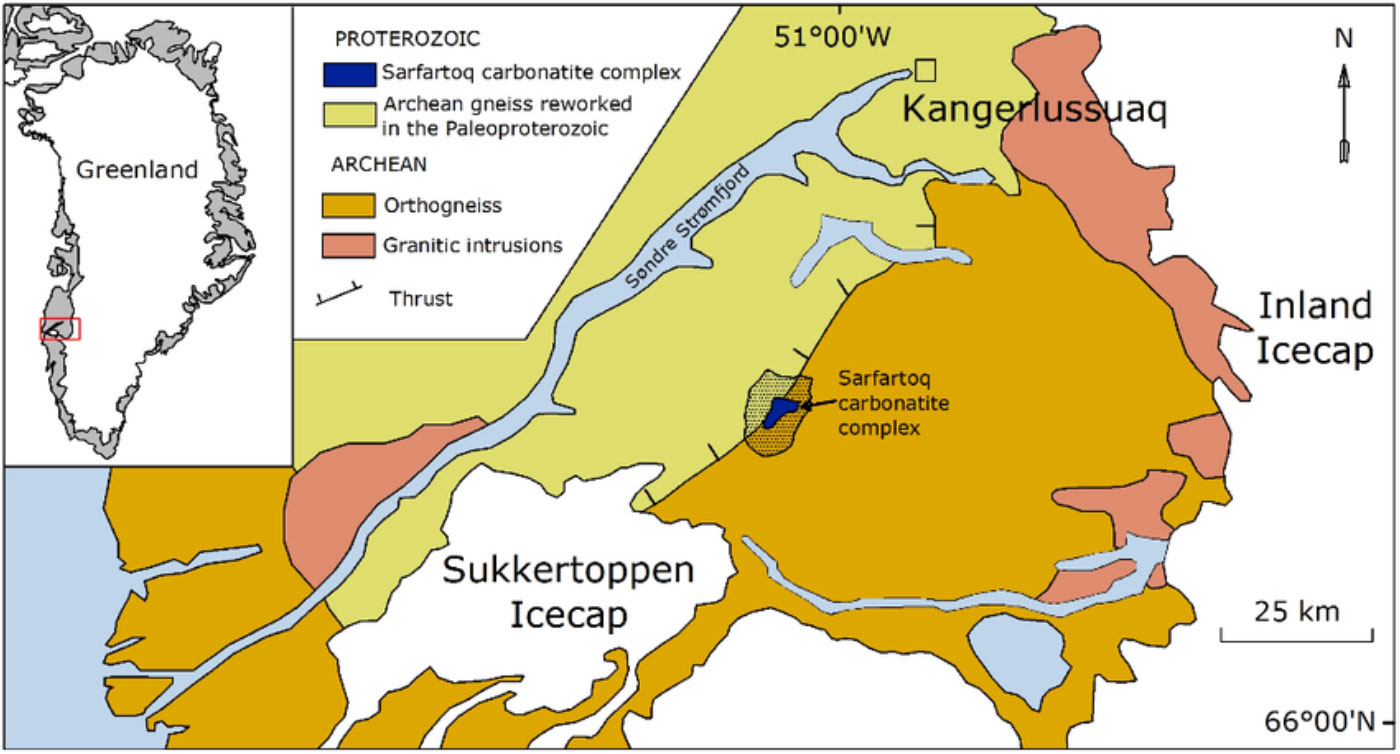
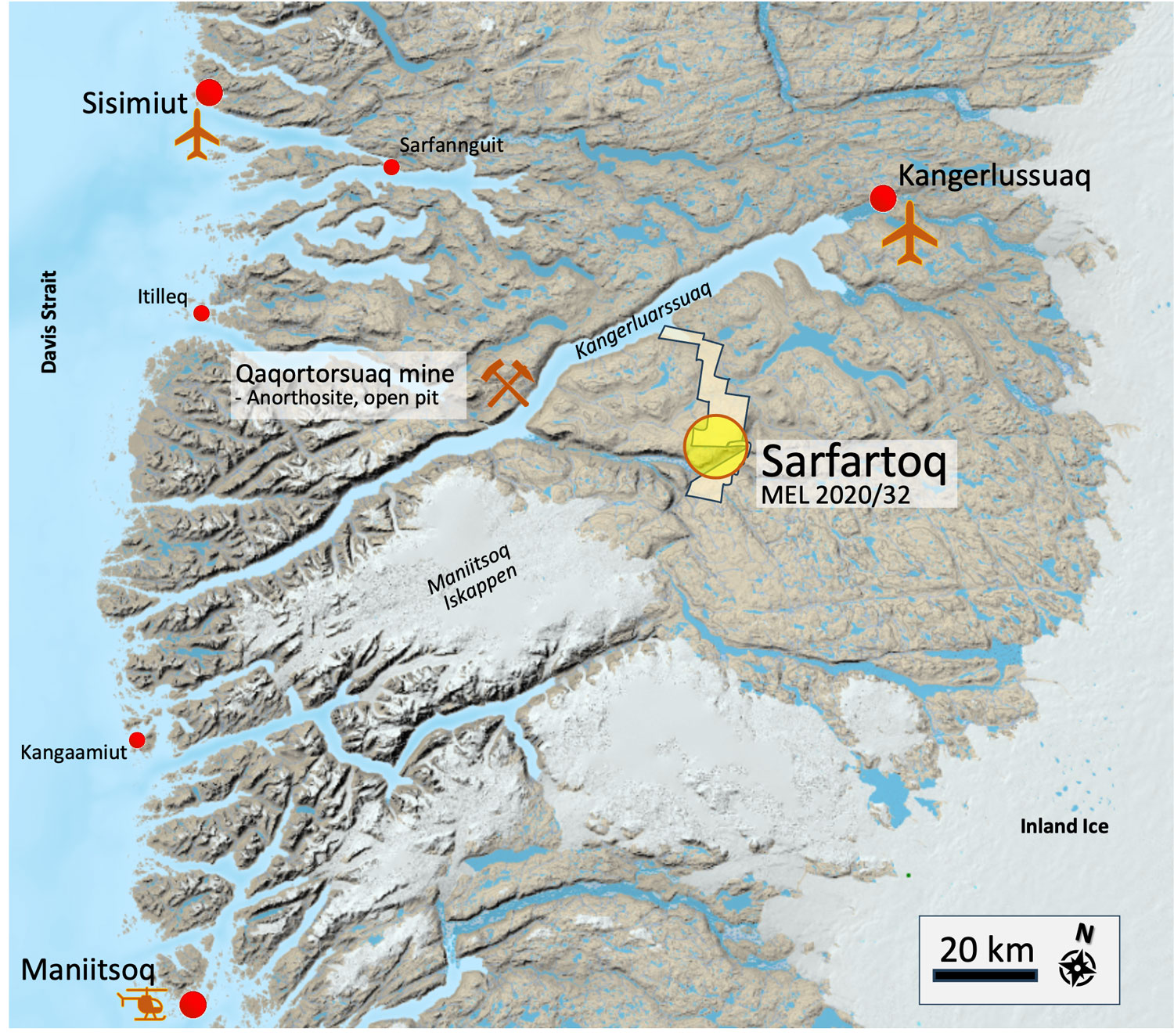
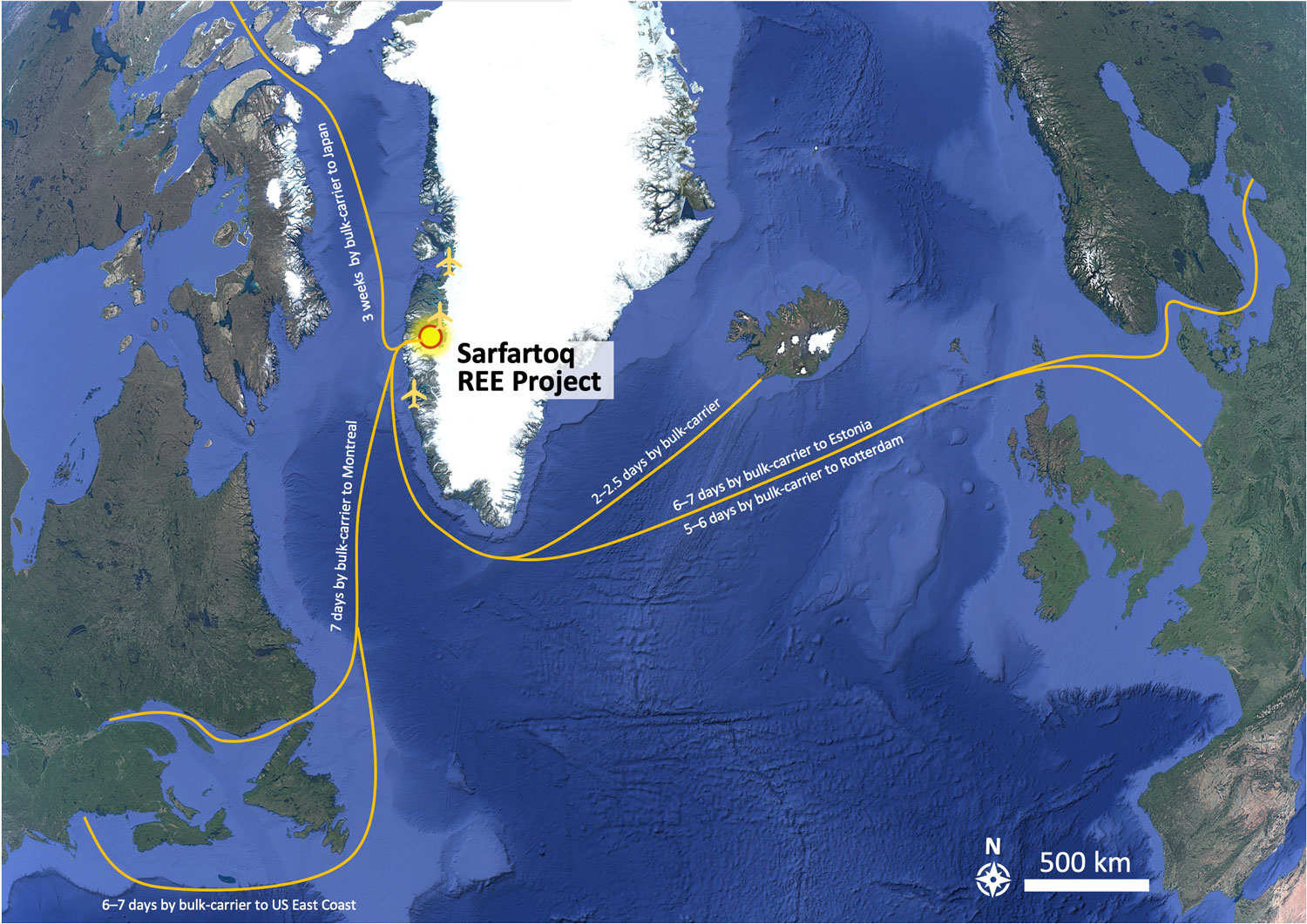
An international airport within 60 km, tidewater within 20 km, workable terrain, and hydroelectric potential next door. From the coast, bulk carriers reach Europe and North America directly.
- Jurisdiction
- Western GreenlandNear established infrastructure corridors
- Airport
- About 60 km from Kangerlussuaq International Airport
- Tidewater
- About 20 km
- Terrain
- Accessible compared with most Arctic projects
- Power
- Adjacent to areas with hydroelectric potential
- Licence
- MEL 2020-32687 km², 40 sub-sites ST1 to ST40
Where the work stands
Fifteen years of exploration came with the acquisition. The programme now runs toward a Pre-Feasibility Study.
- Drilling database161 holes totalling 35,843 metres, including 94 core holes of more than 23,000 metres, all in the ST1 resource model.
- Resource estimateThe first Indicated resource in the project's history: 6.9 Mt at 1.60% TREO, with 5.3 Mt Inferred at 0.96%, in the hybrid scenario.
- MetallurgyTest work has been done. Processing monazite and bastnäsite is well understood across the industry, which takes real risk out of the flowsheet.
- EnvironmentPreliminary baseline studies are complete. WSP Denmark is collecting the second year of data in 2026, completing the two-year dataset a future Environmental Impact Assessment needs.
- Q4 2026 field programmeStructural-geologist-led mapping, low-level drone magnetic surveys across the licence, and planning for infill drilling, pilot-scale metallurgy and mine engineering.
- ST40 and the pipelineDefinition drilling at ST40 next to ST1, then the five untested occurrences on the outer ring.
Read the source
Two independent reports stand behind this page. Ask investor relations and the answer will cite them.
Mineral resources are not mineral reserves and do not have demonstrated economic viability. Indicated and Inferred figures are reported separately and are not additive. Reference: Secher, K. and Larsen, L. M. (1980), Geology and mineralogy of the Sarfartôq carbonatite complex, southern West Greenland, Lithos 13(2), 199–212.
Ask investor relations anything about Sarfartoq
The offtake terms, the acquisition price, what the Initial Assessment assumes. Answers come from the filings, with the document cited.